





11/20/2009 4:03:54 PM

Sign up for e-newsletter
842 million people around the world are hungry: 10 million in industrialized countries, 34 million in countries in transition and 798 million in developing countries. These numbers are rising.
Skip Navigation Links.
Collapse Family Of ProgramsFamily Of Programs
Expand Agency SupportAgency Support
Fare For All
Expand Harvest for hungryHarvest for hungry
Collapse African Food ProjectAfrican Food Project
Overview
Contact
Expand Mobile FoodshelfMobile Foodshelf
Expand Baskets Of HopeBaskets Of Hope
Expand Lost HarvestLost Harvest
Expand ASFRASFR

Overview And Accomplishments

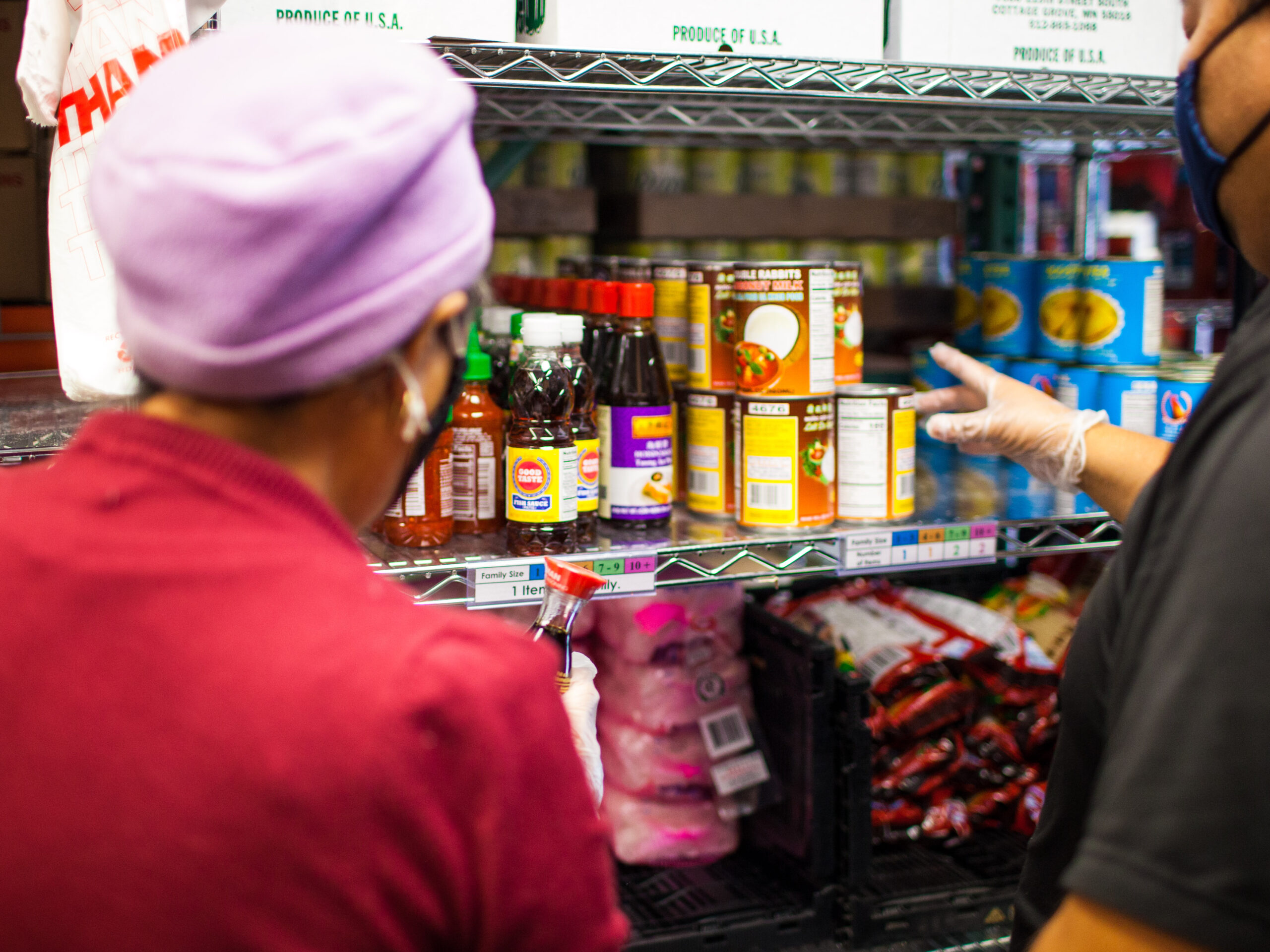
The African Food project is an Emergency Foodshelf Network program that provides culturally appropriate food to individuals in local African Communities.The African Food Project began in May of ‘07 to provide African-specific foods like parboiled rice, plantains, Titus sardines and Fufu flour to West African immigrants. These foods help recently immigrated families receive the nutrition and familiarity they are used to.

(Video courtesy of Channel 12 TV, serving the Northwest suburbs of Minneapolis.)

The African Food Project has been such a success that distribution has been moved to Emergency Foodshelf Network's (EFN) warehouse. The previous location was no longer able to accommodate the amount of people who responded to the program. June 11th, EFN launched its first distribution at the warehouse.  5,379 lbs of food was distributed to families in need of food assistance.

Emergency Foodshelf Network (EFN) provides Somali-specific packages to Community Emergency Services with an average of 180 packages per distribution. It is EFN’s goal to provide food and services to foodshelves and hunger relief agencies with culturally-specific needs in mind, because Minnesota has a great mixture of cultures.

Upcoming Distribution Dates

Aug.  19  Noon-3 p.m.
Sept. 16  Noon-3 p.m.
Oct.  21  Noon-3 p.m.

Individuals and families can pick up food on our distribution dates from Noon to 3:30 p.m. An I.D. card is required to receive food. For more information on the African Food Project please contact Jackson George at jgeorge@emergencyfoodshelf.org.

Keeping the Program Funded

The African Food Project is also looking for donations to help keep the program running. All foods are purchased through Emergency Foodshelf Network's bulk purchasing program, but the African-specific foods are expensive. For more information about fundraising or setting up a sponsorship event, contact Ted Evans at mailto:tevans@emergencyfoodshelf.org.

High African Populations in Minnesota

In 1990, fewer than 5,000 Minnesota residents had been born in Africa. A decade later, that figure increased to more than 34,000. By 2002, nearly 9,000 additional immigrants arrived in Minnesota directly from various African nations. Thirteen percent of Minnesota’s foreign-born residents in the 2000 Census were from Africa—a higher percentage than any other state in the country. (*According to Minneapolis Foundation)

Most African individuals who have immigrated to the United States come as refugees feeing civil strife in Liberia, Somalia, and the Sudan. Other relatively large African populations recently arrived in the U.S. include Nigerians, Ethiopians, and Eritreans.